
Explore How Comedy Elevates Video Games With The Funniest Titles and Their Unique Styles
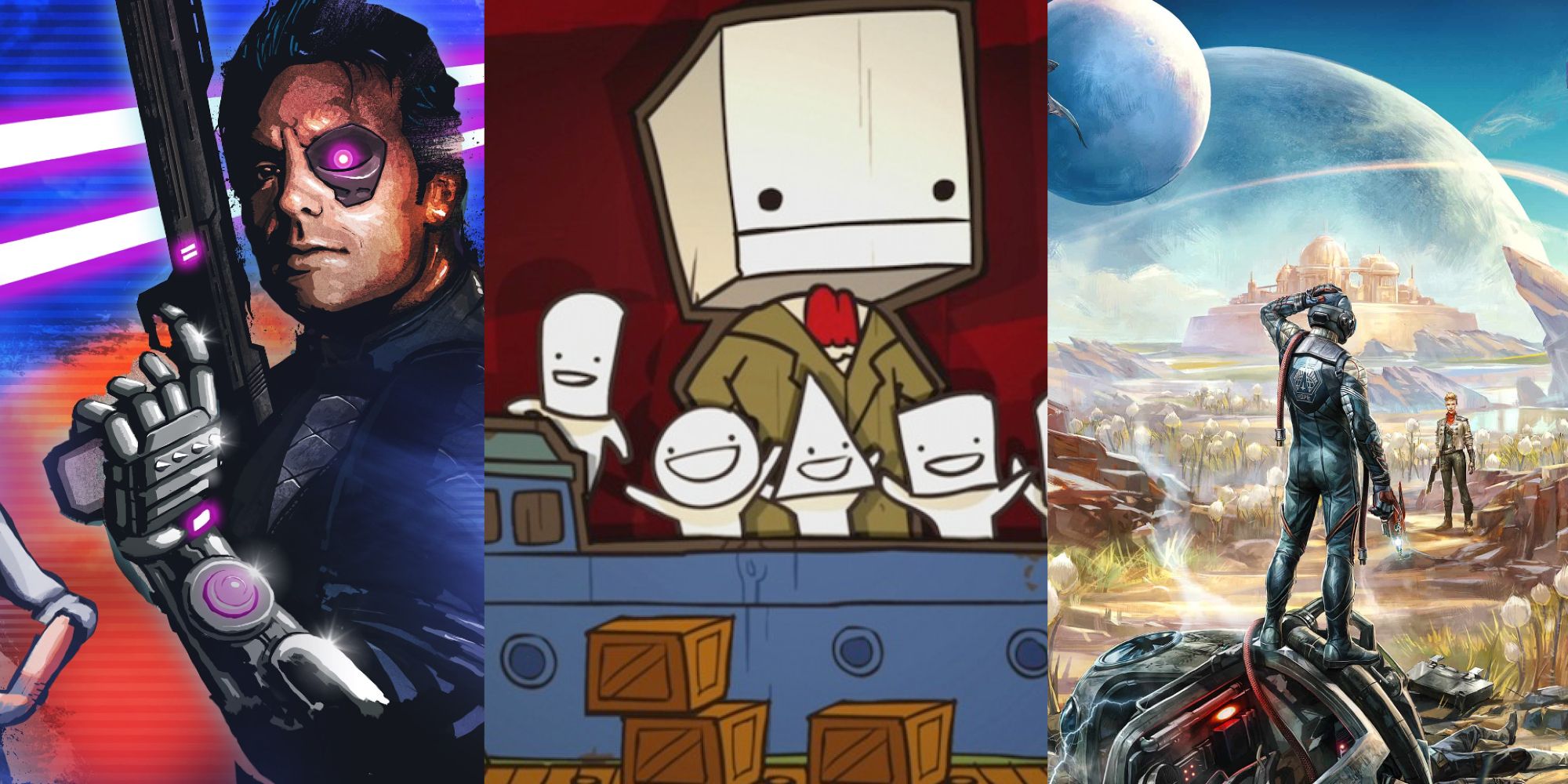
When we think about what draws us into video games, action, challenge, or gripping narratives often come to mind. Yet, there is a less obvious ingredient that can completely transform a gaming experience: comedy. Interactive entertainment has a unique way of making players laugh—not just through scripted jokes, but through unexpected situations only a game can deliver. How does humor work in the gaming world, and why does it matter? This article explores the many faces of comedy in video games, spotlighting titles that push the boundaries of what makes us laugh.
Comedy in Gaming
While comedy has long been a staple in movies and television, its presence in games has historically been underappreciated. Part of the challenge lies in the nature of interactivity—timing a punchline or delivering a visual gag becomes more complex when the audience is also a participant. Early games often relied on slapstick or visual humor: pixelated characters would trip, explode, or bounce in exaggerated ways. As technology advanced, so did the sophistication of comedic techniques. Today’s games feature witty dialogue, clever satire, visual absurdity, and biting social commentary. Four comedic styles frequently appear in gaming:
- Witty banter: Character-driven humor through sharp dialogue
- Slapstick: Physical comedy and exaggerated mishaps
- Absurdism: Embracing illogical, unexpected events
- Satire and parody: Sending up genres, tropes, or real-world issues
These comedic forms not only entertain but often set games apart, giving them lasting charm and replay value.
At the same time, not every game incorporates humor—though in some genres it could genuinely enhance the experience. Many arcade and fast-paced mobile titles focus entirely on intensity and reaction speed, leaving little room for moments that help players relax. A good example is JetX: the game is deliberately strict and minimalist, keeping players fully concentrated as they wait for the multiplier to climb. A touch of light-heartedness in the interface could ease the tension without disrupting the core gameplay. To explore what the game looks like in its current form, you can visit https://jet-x.com.in/. After all, understanding how different design choices affect player experience highlights just how varied comedic potential in gaming can be.
Witty Card Games: Poker Night at the Inventory
Released in 2010 by Telltale Games, Poker Night at the Inventory is an inventive blend of classic card play and character-driven comedy. Available for PC, the game invites players to a fictional speakeasy, where they join a poker table with a roster of pop culture icons—such as Max from Sam & Max and the Heavy from Team Fortress 2. What makes Poker Night memorable is not the poker itself but the rapid-fire banter and inside jokes shared between the characters.
The humor emerges organically from character clashes. Max’s manic energy plays off the Heavy’s deadpan seriousness, while surprising references reward fans of the original franchises. An oft-cited gag involves the Heavy’s confusion over American snacks, sparking a spirited debate about “sandviches” that feels delightfully unscripted. For those who wonder why anyone would choose virtual poker over real card games, the answer lies in the unpredictable, hilarious dialogues that only this digital card table can deliver.
Absurdist Violence: Mortal Kombat’s Unexpected Humor
First released by Midway in 1992 and now developed by NetherRealm Studios, Mortal Kombat is best known for its brutal fighting mechanics and intense violence. However, beneath the surface of gory battles lies a streak of absurdist comedy. As the series evolved, its infamous finishing moves—dubbed “Fatalities”—transformed from shocking acts into spectacles of intentional exaggeration.
A modern example is the “Friendship” move, where a burly fighter might present their opponent with a balloon animal instead of a fatal strike, subverting expectations for a laugh. The developers play with their own violent reputation, introducing characters from comic books and horror films and poking fun at genre conventions. Compared to other fighting games like Tekken or Street Fighter, Mortal Kombat stands out for its willingness to mix grotesque spectacle with tongue-in-cheek parody, making every round a darkly comic performance.
Satirical Adventures: South Park’s Transition from Screen to Game
South Park’s brand of irreverent, satirical comedy made its leap into gaming with South Park: The Stick of Truth (2014) and The Fractured But Whole (2017), developed by Obsidian, Ubisoft, and series creators Matt Stone and Trey Parker. The games mirror the TV show’s sharp blend of crude jokes and pointed social commentary, delivering interactive experiences that are as subversive as their source material.
Players find themselves in absurd storylines—such as children waging epic RPG battles over an ordinary twig, or spoofing superhero franchises with delightfully outlandish powers. One memorable mission involves infiltrating a government facility by shrinking oneself, leading to both gross-out humor and surprisingly clever satire about surveillance culture. Both games received critical acclaim for capturing the tone and spirit of South Park, reinvigorating the franchise’s signature comedic edge and proving that interactive narratives can be just as biting as scripted television.
Embracing the Ridiculous: Goat Simulator and the Joy of Chaos
Developed by Coffee Stain Studios and released in 2014, Goat Simulator quickly became a cult favorite for its embrace of utter absurdity. Available on multiple platforms, the premise is almost willfully pointless: you play as a goat, free to roam an open world and wreak havoc in the most unpredictable ways. There are no missions or objectives—the humor arises from the unpredictable, emergent chaos that unfolds as you interact with the environment.
The game’s physics are intentionally unpolished, resulting in outlandish scenarios. Players might launch their goat through the air, attach their tongue to speeding cars, or accidentally trigger citywide explosions. One widely shared anecdote involves a goat somersaulting through a window and inadvertently causing a domino effect of destruction. Goat Simulator’s success paved the way for a new subgenre of “sandbox comedy,” inspiring games that turn technical oddities and playful experimentation into laugh-out-loud moments.
What Makes a Joke Land in Games?
Different comedic approaches mark each of these titles:
- Poker Night at the Inventory: Relies on clever dialogue, character quirks, and inside references
- Mortal Kombat: Leverages visual gags and exaggerated, surreal finishing moves
- South Park: Delivers narrative-driven satire and relentless pop culture lampooning
- Goat Simulator: Emphasizes physical comedy and spontaneous chaos
Interactivity changes everything—players help create or discover the punchline, making laughter a shared experience. Does this agency make the jokes more memorable? Many gamers think so; the act of triggering, witnessing, or even failing at a joke makes it more personal and unpredictable than passive media.
Current Trends and the Future of Comedy in Games
Recent years have seen a surge in experimental comedy games. Indie developers are embracing parody, dynamic dialogue systems, and unconventional mechanics to surprise and amuse players. Festivals and critics are increasingly recognizing comedic games, and international audiences are responding to humor tailored for diverse cultures. Still, challenges remain: seamlessly blending humor with gameplay and navigating cultural differences are ongoing hurdles. Yet, the appetite for laughter in gaming continues to grow.